The corset has shaped bodies and fashion for over five centuries. Its history is inseparable from the history of women's fashion, body ideals, and the ongoing conversation about who controls how bodies are presented.
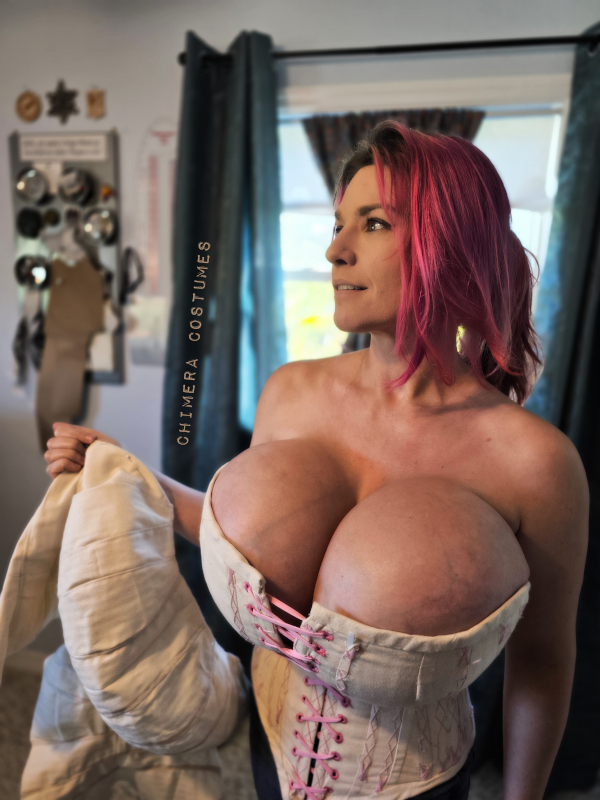
Origins: Stays and Bodies (1500s–1700s)
The earliest ancestor of the modern corset was the pair of bodies (from the French 'corps') — a stiffened bodice worn from the mid-16th century. These early garments were stiffened with buckram, whalebone, or wood, and functioned primarily to create a smooth, conical torso that supported fashionable clothing. They were structural garments for the fashionable classes, not instruments of extreme reduction. The term 'corset' came into use in the early 19th century.
Victorian Era: The Golden Age (1840–1900)
The 19th century saw the corset reach peak refinement and cultural centrality. Victorian corsets were typically waist-length or slightly below, stiffened with whalebone (baleen) or later steel, and worn by virtually all women across most social classes. The ideal silhouette — small waist, full hips and bust — was achieved through the corset's shaping. Tight lacing (reducing the waist well below its natural measurement through progressive corseting) became associated with fashionable dress and, later, with aesthetic subcultures. The most extreme historical claims about Victorian waist measurements are largely apocryphal — but significant reduction was common.
Reform and Decline (1900–1950)
The Edwardian period saw the S-bend corset replace the Victorian style — it pushed the hips back and the chest forward. Dress reform movements had been arguing against corsetry since the 1880s, on both medical and practical grounds. By the 1910s, following the influence of designers like Paul Poiret who favored unstructured silhouettes, corset wear declined significantly. The girdle largely replaced the corset through the mid-20th century.
Modern Revival
The corset never fully disappeared. Vivienne Westwood brought it back into high fashion in the 1980s. Fetish and BDSM communities maintained continuous waist training traditions throughout the 20th century. The internet enabled corset communities to connect globally from the late 1990s, and the 2020s have seen corsets fully re-enter mainstream fashion — both as visible outerwear and as foundation garments for those who wear them for waist training, body image, or aesthetic reasons.
Keywords: corset history, history of corsets, Victorian corset history, corset origins, stays history, corset timeline, corset cultural history, Edwardian corset, corset fashion history